Whoa!
Okay, so check this out—I’ve been using Solana wallets since the early days and I still get a kick out of how fast things move here.
My instinct said: web wallets would be clunky, but then the tech surprised me.
At first glance a browser-based wallet sounds trivial. Initially I thought it would feel like a watered-down mobile app, but then I realized the UX possibilities are actually enormous when done right.
Here’s the thing. Really?
Web wallets used to mean slow loads and awkward flows. Hmm… not anymore.
Medium-term user habits favored mobile, and that’s true in many parts of the US from LA to Boston, though web usage still dominates desktops for creators and collectors.
On one hand people want the convenience of a browser extension; on the other hand they crave a consistent experience across devices, and a web client aims to bridge that gap.
My gut told me that some design choices would feel off, and yeah—some do—but many of the rough edges are fixable with thoughtful key management and session handling.
Seriously?
Let me explain using a concrete scenario: you mint an NFT drop at 11:59pm EST and the traffic spikes. Wow!
With a well-built Solana web wallet you avoid the whole „app store update“ problem, so you and 10,000 others can hit the mint page at once without fumbling for the right app version.
That matters a lot for NFT drops where time and transaction speed are crucial and where confirmation latency can make or break a sale.
On average, web-only clients can iterate faster, push fixes quicker, and reduce friction when onboarding new users who refuse to install yet another app.
Here’s the thing.
I want to be honest here—I’m biased toward minimal friction. I’m biased, but I’m also pragmatic.
Somethin’ about onboarding still bugs me; people still get confused by seed phrases, and that hasn’t changed whether it’s mobile or web.
So the headline feature for me isn’t just „web“—it’s how a web wallet educates users in-context while they transact, like inline tips during a transfer or a friendly warning before signing a program interaction.
On one level this is product design; on another level it’s trust-building, which in crypto is very very important.
Hmm…
Security questions always come up first. Really?
Yes, and rightly so—browsers are an attack surface. That said, modern design patterns can mitigate many risks via hardware wallet support, session timeout strategies, and strict origin checks.
Initially I worried that web wallets would store keys in unsafe ways, but modern implementations use encrypted local storage, session-based ephemeral keys, and optional Ledger/Trezor integration.
Actually, wait—let me rephrase that: web clients shouldn’t replace hardware wallets for big balances, though they can act as a great hot wallet for daily activity like collecting NFTs or participating in on-chain events.
Whoa!
Performance on Solana is different than on EVM chains, and that changes how a web wallet should behave.
Solana’s throughput lets users batch interactions and confirm quickly, which means the UI can be optimistic and snappy rather than conservative and sluggish.
On the flip side, developers must consider blockhash expiration, recent blockhash management, and handling failed transactions gracefully so users don’t panic when a tx stalls.
My advice: show the user what’s happening in plain English, and surface the retry or cancel options without burying them behind dev-speak.
Seriously?
For NFTs specifically, the differences are subtle but meaningful.
When you mint or transfer an NFT on Solana, metadata and token accounts behave differently than ERC-721, and a web wallet that knows those nuances can offer one-click experiences tailored to creators and collectors.
Imagine a wallet that previews your NFT metadata, verifies creators via verified collections, and lets you list directly on integrated marketplaces without leaving the page—it’s a cleaner flow than jumping between apps.
On one hand this reduces friction; on the other hand it centralizes more power in the wallet UX, so governance and transparency become even more important.
Hmm…
I’ve been test-driving a few web wallet builds, and one stood out because of its design choices.
It added a small contextual modal explaining „why this signing request?“ and offered an „explain this permission“ link; the effect on user confidence was immediate.
That micro-trust earned during a mint is why creators will love web-based integrations—the moment someone sees „approved creator“ and a clear fee estimate, they move faster and feel safer.
Check this out—if you want to try a slick web-first Phantom-like flow, try the phantom web client for a hands-on feel.
Whoa!
Oh, and by the way… the dev experience is dramatically different when you build for the web.
Hot reload, instant telemetry, and easier A/B testing let teams iterate UI-affordances like gas pre-buys or batching without shipping app updates.
That iterative capacity matters because UX decisions in wallets are rarely perfect on day one; they need user feedback and rapid improvements to get human trust right.
Initially I thought decentralized UX would be slow to evolve, though actually the community moves fast when the feedback loop is short.
Really?
There are trade-offs, obviously. Hmm…
Privacy across browsers, cookie policies, and third-party script concerns can bite if your team isn’t vigilant about dependencies and CSP headers.
So teams need to treat the wallet like an OS-level component: minimal external scripts, strict content security policies, and careful telemetry that never compromises private key data.
My working rule is simple: user convenience cannot trump cryptographic safety; user convenience should complement it.
Whoa!
For creators thinking about drops: use the web wallet to provide context-sensitive help and to preload metadata validation so collectors don’t buy fakes by mistake.
Make sure your mint page includes verification badges and checks that are verified on-chain, not just UI claims, because users will start trusting those cues.
On a practical note, web wallets can embed a preview flow so users can confirm they are minting the right asset, which reduces refunds and disputes later.
I’m not 100% sure this eliminates all scams, but it moves the needle toward safer marketplaces and less social engineering.
Seriously?
Let’s talk about cross-device continuity for a second. Wow!
People often jump from desktop research to mobile purchase; a web wallet that supports session handoffs or deep linking makes that flow feel seamless and modern—like an e-commerce checkout, but crypto-native.
Too many wallets treat devices as islands, and that creates friction when you try to sign from a hardware wallet that lives on another machine.
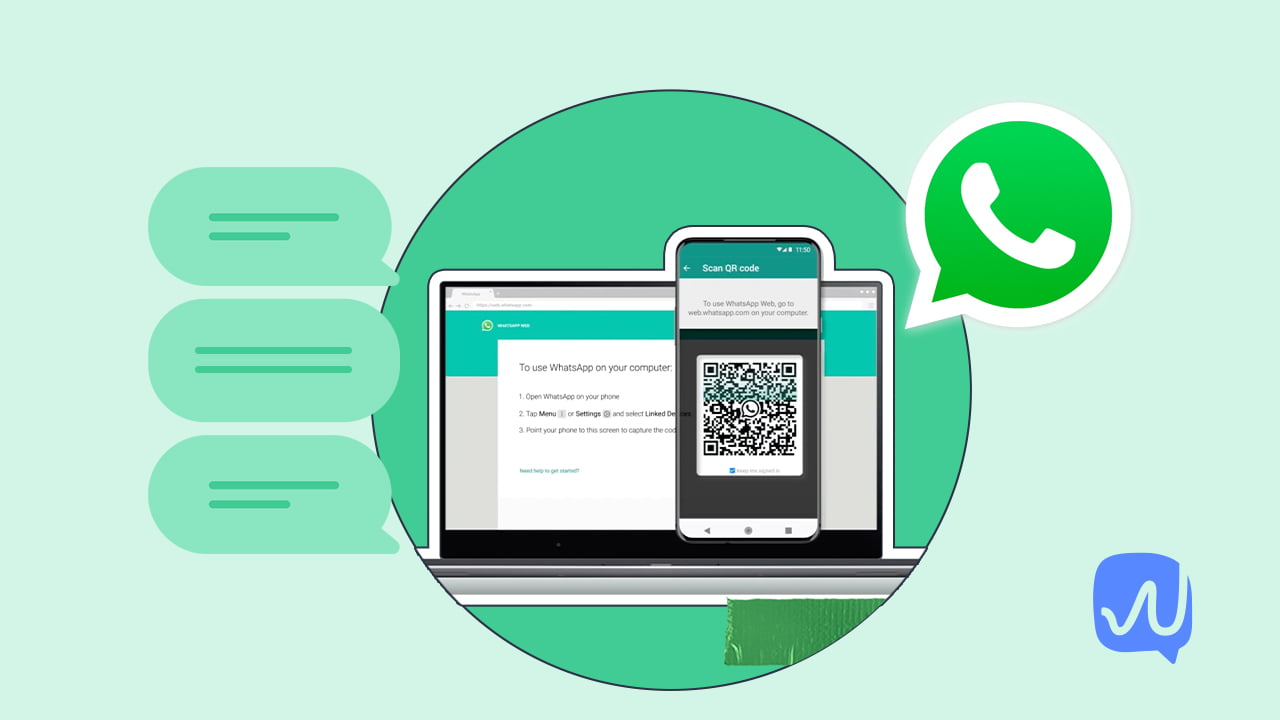
On the other hand, if the wallet offers secure QR-based session pairing and time-limited tokens, you can keep security tight and UX smooth at once.
Hmm…
Okay, here’s a small checklist if you’re building or evaluating a Solana web wallet.
One: does it support hardware wallets? Two: does it show clear human-readable explanations before signing? Three: does it handle recent blockhashes and failed txs gracefully?
Four: are metadata and collection verification surfaced at the point of action? Five: is telemetry privacy-preserving and opt-in?
Each of these choices matters a great deal when your user base crosses the threshold from curious to collector.
Really?
The last thought: wallets are social contracts as much as software.
Design affects behavior, and behavior shapes the market—so build for clarity, not cleverness.
I’ll be honest, some of the slickest features feel like toys until they’ve been stress-tested during real drops and transfers, and then they become table stakes.
On balance, the move to web versions—done right—will onboard more people to Solana quickly while preserving the safety and composability we care about.
Whoa!
Practical next steps
Try a web-first wallet to get a feel for the flow and to compare how different clients surface risks and approvals; for a hands-on demo of a Phantom-like web experience, check out phantom web and see how the interface handles mint previews and signing details.
Takeaway: web wallets are not a fad. They are a crucial piece in lowering barriers to entry for new collectors and creators, and when paired with strong security patterns they can be both convenient and safe.
I’m not claiming all web wallets are equal—some are rough around the edges and some are near production-ready—but the trend is clear: expect more web-first tooling and better onboarding.
Something felt off about early implementations, but those days are fading fast as teams learn what actually matters to users.
Hmm…
FAQ
Is a web wallet as secure as a mobile wallet?
Short answer: it can be, if it supports hardware wallets, uses encrypted local storage for keys, enforces strict content security policies, and offers clear UX prompts before signing sensitive actions; however for high-value holdings, keep assets in a hardware wallet or cold storage.
Will web wallets hurt decentralization?
They don’t have to. Web wallets are just an interface layer; decentralization depends on how protocol-level decisions are made and how composable the wallet remains with hardware and non-custodial options—so insist on open standards and verifiable on-chain metadata.
How do web wallets improve NFT mint experiences?
They streamline onboarding, show metadata and collection verification inline, allow faster iteration for creators, and reduce device friction—so users can actually focus on the art and community rather than app installs and version mismatches.